.svg)




Setting an ambitious project on realistic ground from the earliest stages.
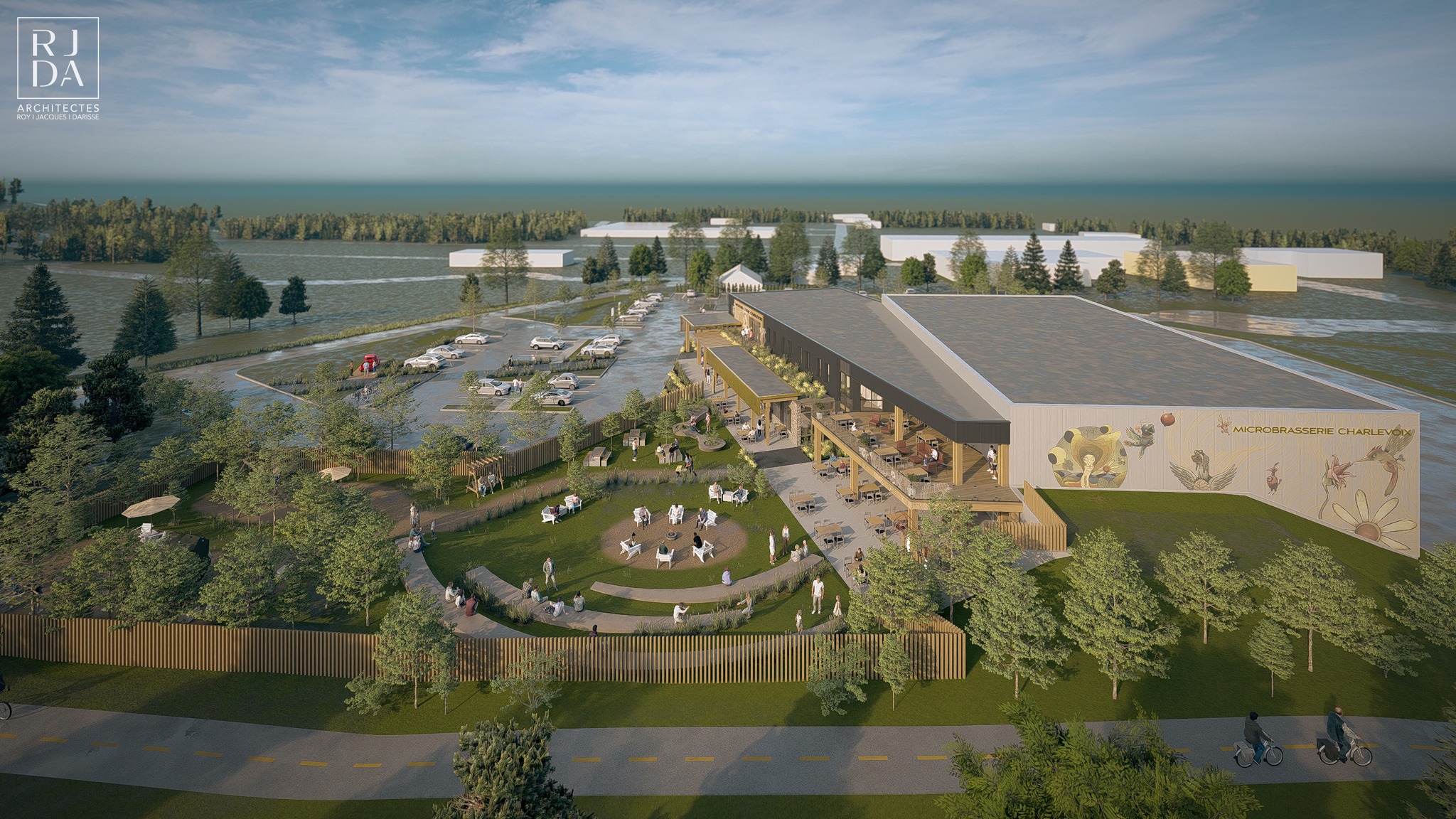
The Microbrewery Charlevoix project shows how much it helps to get a clear, realistic read on a project before construction starts.
At that point, the mandate was not just to put up a building. The client first needed help understanding the real costs, the technical constraints to plan for, and the paths available, so an ambitious idea could become something they could actually build.
That is where Koncret came in.
The challenge
When the first conversations happened, the project was still taking shape and plenty was left to define.
The client mainly wanted to understand:
- the real costs of the building
- the first technical steps to plan for
- the most efficient way to structure the project
In a situation like that, estimates that are off, or out of step with the market, can slow a project down fast, create doubt, and make decisions harder.
So the stake was not only technical or budgetary. First, someone had to set a realistic framework the client could move forward with, and see the project more clearly.
Rather than ask for a fully finished file up front, Koncret chose to support the client from the earliest stages of thinking it through.
The team was quickly able to:
- size up the broad lines of the project
- put credible numbers on the table
- guide the first technical decisions
- lay out the next steps in a more coherent way
That helped line up the project's ambitions with the financial and constructive realities of the building.
The mandate also included coordination work on the foundations, the structure and the technical elements needed to keep the project moving.
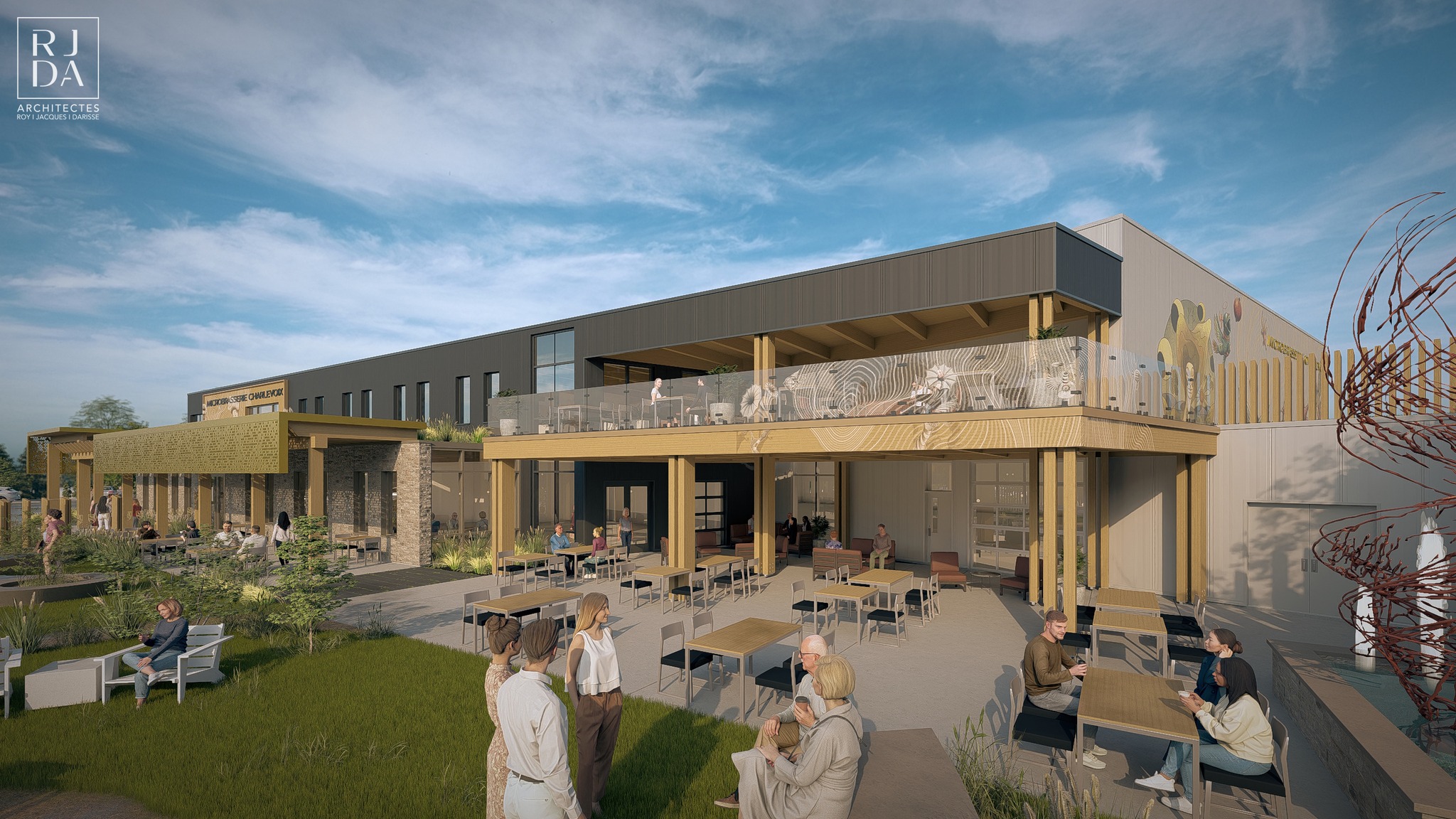
The file also let Koncret deepen its expertise in glued-laminated timber structures and exposed framing, an approach that shapes both the look of the building and its structural design.
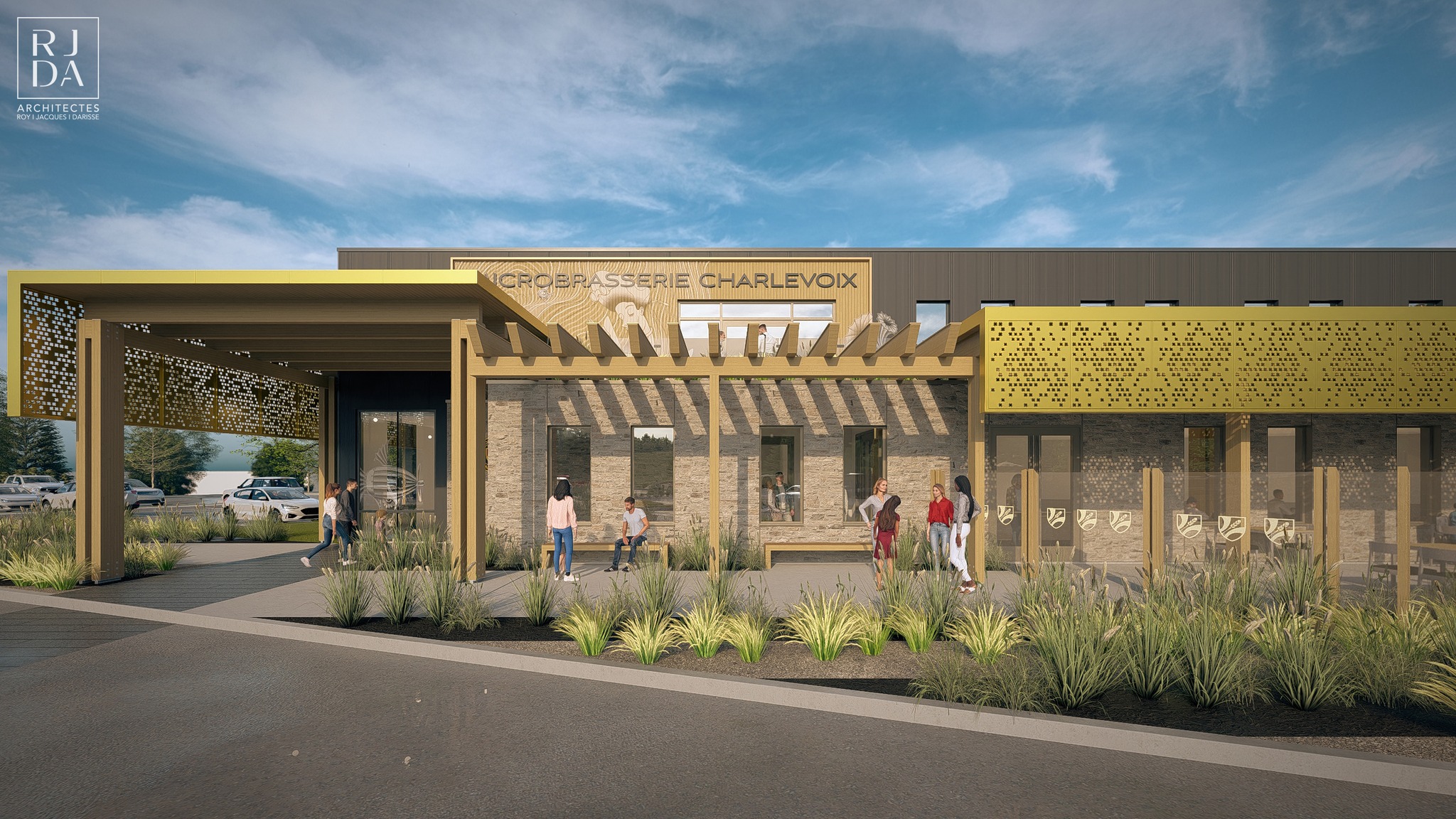
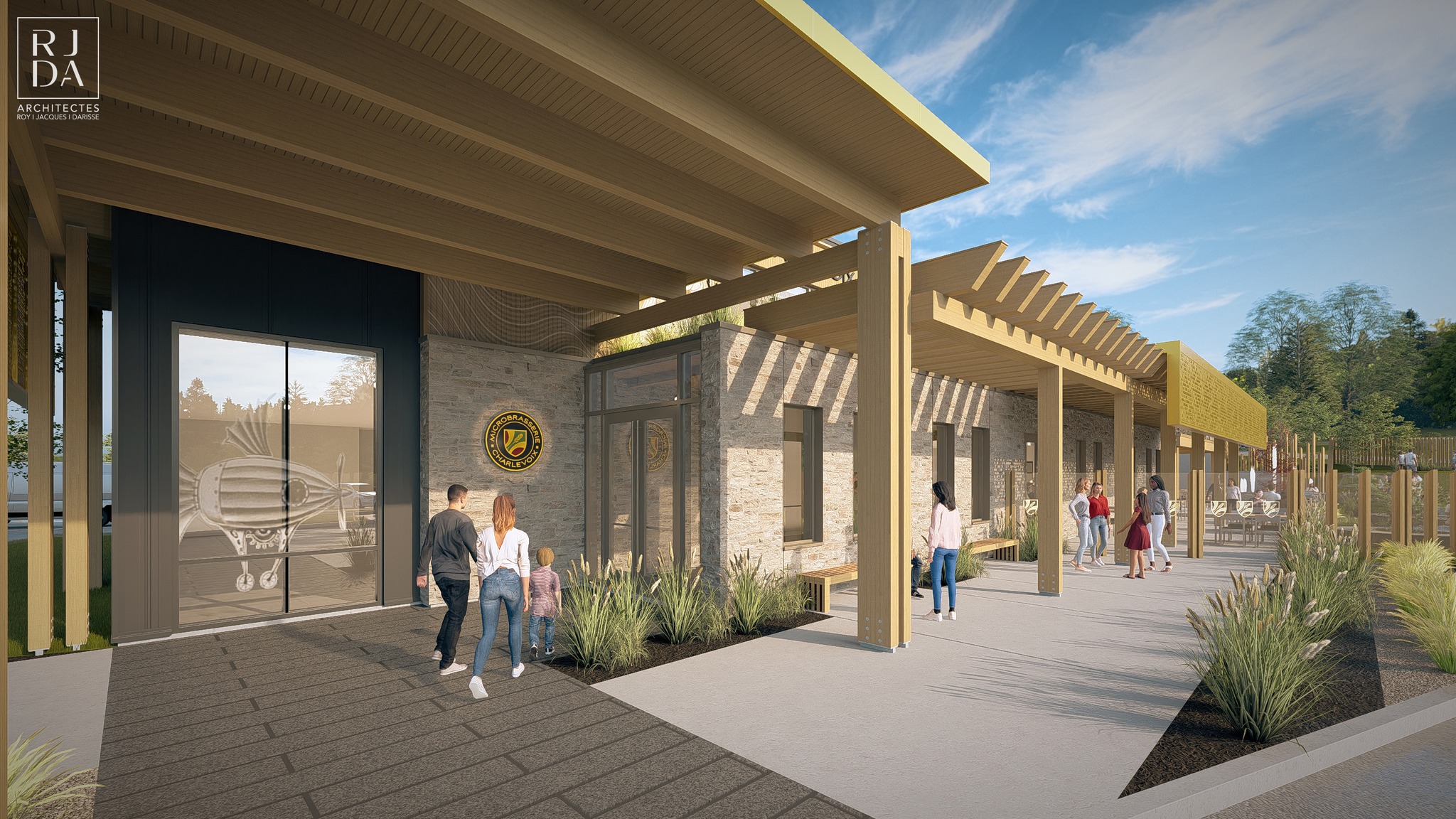
Koncret's work let the project keep developing on much more concrete, realistic ground.
Among the results:
- a clearer picture of the project's real costs
- a more coherent budget framework from the earliest stages
- a real drop in the costs tied to phase 2 of the project
- smoother progress on the file, even with plenty still in flux
Some of the early estimates came down by nearly 50%, which let the client keep a better hold on the budget and keep building the project on more realistic ground.
Beyond the numbers, the main result is that the project could keep moving, with clear, structured direction.